
A six-step cycle: Identify, Protect, Educate, Develop, Enable, Sustain
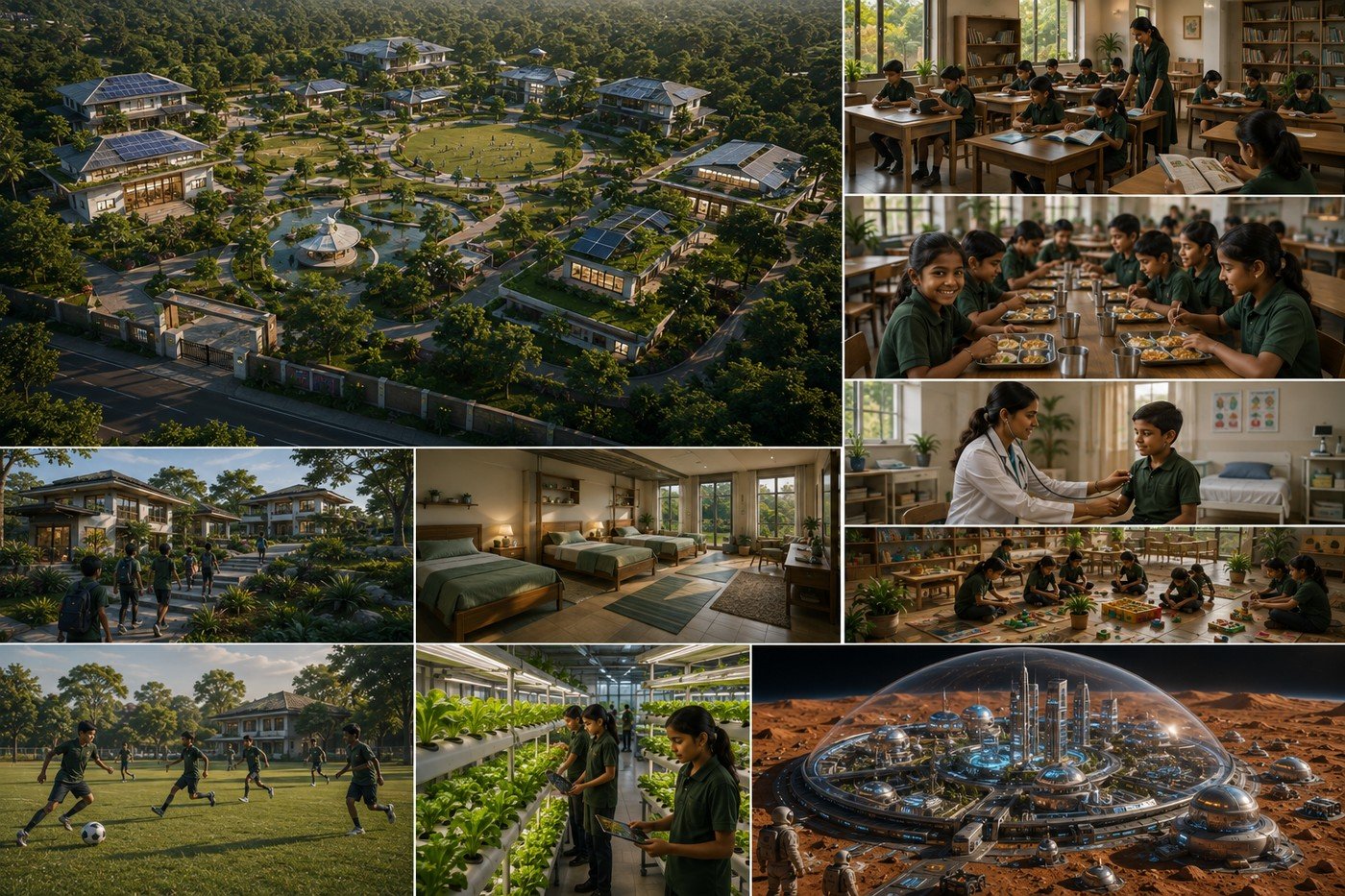
Every child who enters Pranika's care moves through the same structured cycle — from being identified and protected, to education, character development, and eventually independence.
Identify
Locate and reach children who need support, through community networks, partners and outreach.
Protect
Provide immediate safety, nutrition, healthcare and emotional care from the moment a child enters our care.
Educate
Deliver quality education and future-ready digital skills through Miryalan's PMIT institutions.
Develop
Track growth — academic, physical and emotional — against clear, published benchmarks.
Enable
Build character, leadership and life skills so each child can make their own decisions with confidence.
Sustain
Create pathways to higher education, careers, entrepreneurship — and ongoing support into adulthood.
What we're actually building this year
Three concrete workstreams, running in parallel through 2026.
Digital infrastructure
Child identification platform, case management system, welfare & impact dashboard, compliance and accommodation management tools.
Operating frameworks
Child protection standards, governance framework, safety protocols, admission procedures, healthcare and education frameworks.
Approvals
Government permissions, child-welfare compliance, accommodation clearances, safety certifications and operational approvals — before a single pilot opens its doors.
The Miryalan model
Unlike many traditional child-welfare organisations, Pranika is structured deliberately around a few hard constraints:
- Fully funded by Miryalan Dynasty — 10% of annual net profits, pledged
- No public fundraising campaigns
- No donor dependency for core operations
- No outsourced child-development model — care stays in-house
- Education provided through PMIT institutions
- Long-term support intended from childhood through adulthood